

Felt Roofing Service
At Canadian Roofs & Co., we understand how important your roof is in protecting your home and family. As experts
Read More
Fiberglass Roofing Service
At Canadian Roofs & Co., we understand how important a strong, reliable roof is for your home or business. In
Read More
Rubber Roofing Service
We at Canadian Roofs & Co. pride ourselves on providing reliable and durable rubber roofing services across Canada. We understand
Read More
Roof Repairs
We at Canadian Roofs & Co. understand that a strong and well-maintained roof is essential to protecting your home and
Read More
About
Welcome to Canadian Roofs & Co., a trusted name in roofing and renovation services since our founding. We started with a focus on residential roofing, and over the years, we’ve grown into a full-service company offering both residential and commercial solutions across Canada. Our services now include not only roofing, but also siding, insulation, and […]
Our Main Services

Tiled Roofing Service
We at Canadian Roofs & Co. specialize in providing top-quality tiled roofing services across Canada. Whether you’re looking to install a new tile roof or need repairs for your existing one, our team of skilled professionals is here to help.

Slate Roofing Service
At Canadian Roofs & Co., we take pride in offering premium slate roofing services across Canada. Whether you’re looking for a beautiful, durable roofing option for your home or need professional repairs for an existing slate roof, our team of experts is here to help.

Roof Leadwork Service
At Canadian Roofs & Co., we specialize in providing top-quality roof leadwork services across Canada. Whether you’re dealing with a historic building that requires traditional lead flashing or a modern home needing durable roof protection, our expert team is ready to help.
From Our Blog
-
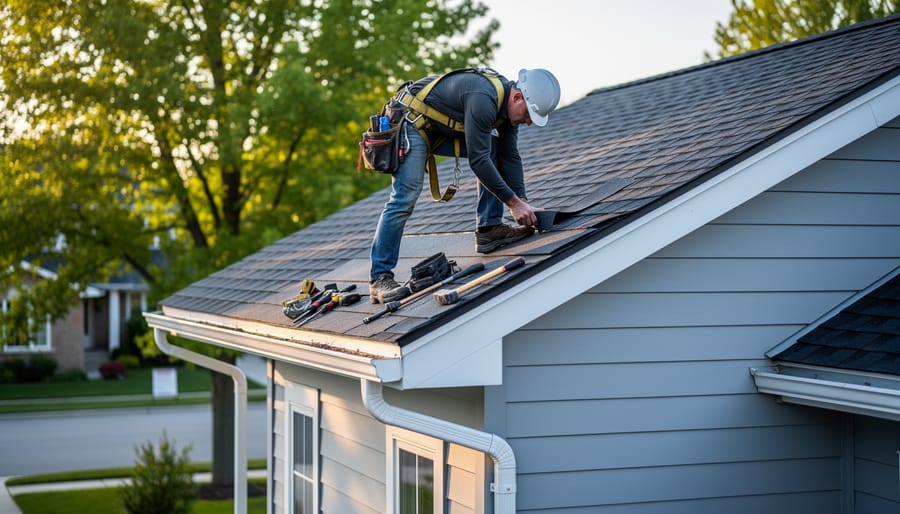
How Pre-Sale Roofing Upgrades Can Save Your Poor-Condition Home From a Fire Sale
Selling property in poor condition often means accepting offers 20-30% below market value, but strategic roofing and exterior upgrades can reverse this trajectory. Focus investment on high-visibility improvements that Canadian buyers prioritize: replace damaged or outdated roofing materials with energy-efficient options that withstand harsh winters, address peeling paint and siding deterioration that signals neglect, and ensure eavestroughs and downspouts function properly to prevent water damage concerns during inspections. Allocate renovation budgets based on return on investment rather than personal preference. Roofing replacements typically recover 85-95% of costs in resale value, while fresh exterior paint and modern siding deliver immediate curb appeal that attracts serious buyers….
-
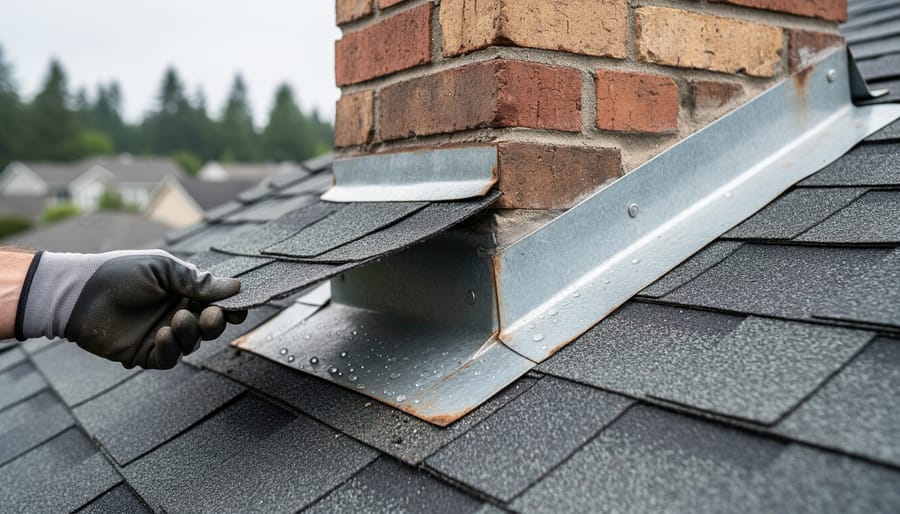
Why Your Chimney Flashing Fails (And How to Fix It Before Water Destroys Your Home)
Water staining on ceilings near the chimney, rust marks on the fireplace damper, and musty odors in the living room all point to one critical problem: compromised chimney flashing. This protective metal barrier where the chimney meets the roof serves as the primary defense against water infiltration, yet it remains one of the most vulnerable points in any roofing system. When flashing fails—whether through improper installation, weather damage, or simple age-related deterioration—water quickly finds pathways into the home, causing structural damage, mold growth, and costly repairs that escalate with every rainfall. Canadian homeowners face particularly harsh conditions that accelerate flashing…
-
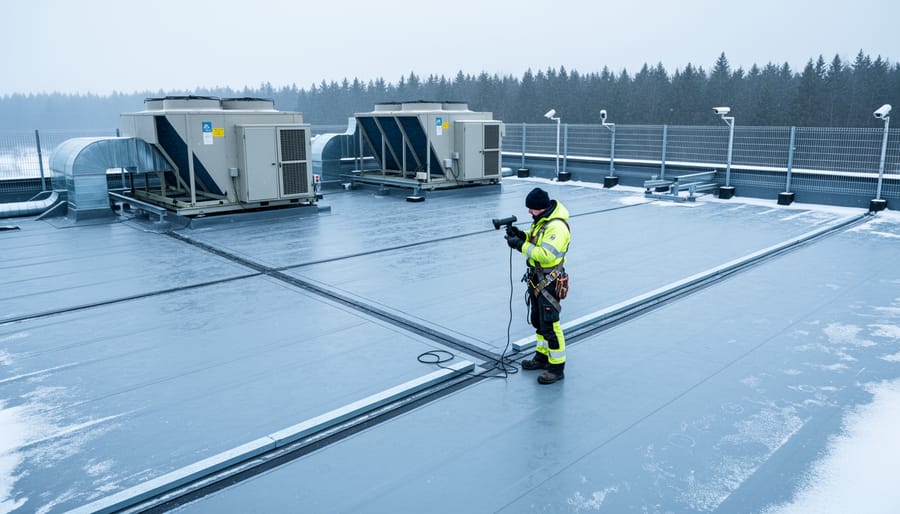
Why Data Centers Need Commercial Roofing Experts (Even for Online Gambling Operations)
Canada’s rapidly expanding online gaming industry, including Crypto casino platforms, demands sophisticated data center infrastructure with specialized roofing systems that address unique operational challenges. These facilities require exceptional protection against water infiltration, superior thermal performance to support intensive cooling requirements, and structural integrity capable of bearing substantial HVAC equipment loads. Data centers housing online gambling operations face distinct roofing considerations including 24/7 operational continuity, enhanced security protocols, and stringent environmental controls that directly impact roofing material selection and installation methods. Canadian climate conditions further complicate these requirements, with extreme temperature fluctuations, heavy snow loads, and freeze-thaw cycles necessitating advanced waterproofing membranes, reinforced…
-
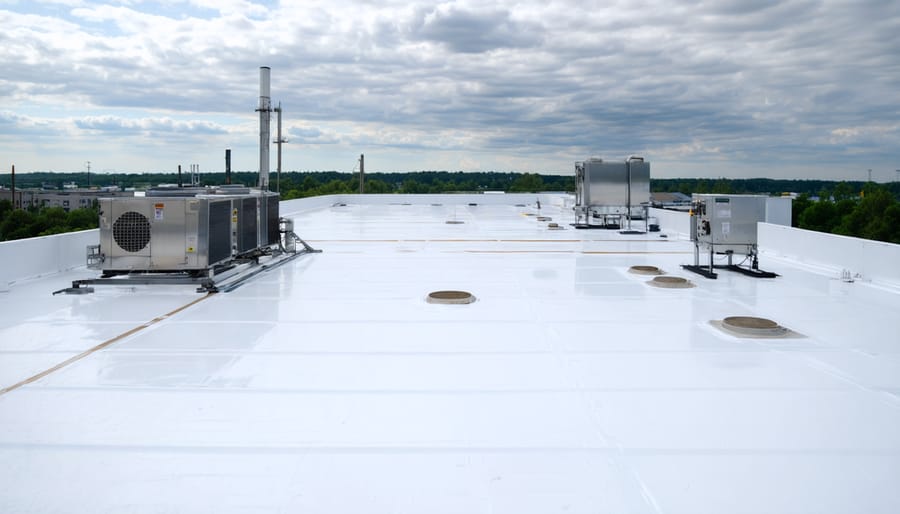
Why THCP Processing Facilities Need Specialized Roofing and Insulation
Prioritize climate control integration when designing your THCP processing facility’s roofing system—these specialized buildings demand precise temperature and humidity management to maintain product integrity during extraction and processing of THC products here Unlike conventional commercial structures, cannabis processing facilities operate as controlled environments where roofing and insulation choices directly impact operational efficiency, regulatory compliance, and bottom-line costs. Select roofing materials with superior thermal performance ratings (minimum R-60 insulation values) to minimize energy consumption from HVAC systems running 24/7. Install vapor barriers and reflective roofing membranes that prevent condensation buildup—a critical consideration since moisture intrusion compromises both structural integrity and the sterile processing environment…
-
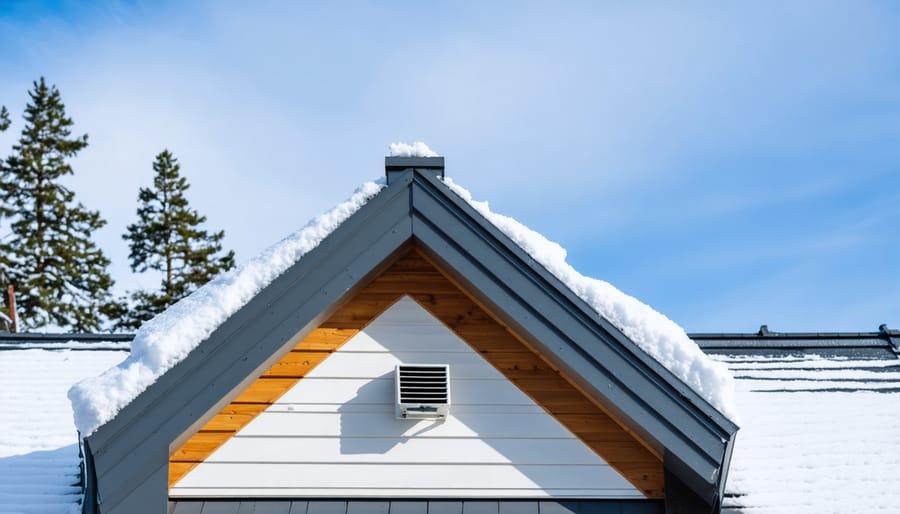
How THCP Home Ventilation Upgrades Can Cut Your Energy Bills and Protect Your Roof
Canadian homeowners lose thousands annually to preventable ventilation failures—ice dams tearing through eavestroughs, attic moisture rotting structural wood, and heating systems working overtime against poor airflow. Traditional ventilation systems often fail under Canada’s extreme temperature swings, creating costly damage that insurance claims only partially cover. THCP products represent a significant advancement in home ventilation technology, specifically engineered to withstand harsh Canadian climates while dramatically reducing energy consumption. THCP (Thermal High-Performance Circulation) ventilation systems address the root causes of ventilation failure through enhanced airflow dynamics, superior moisture management, and adaptive temperature regulation. Unlike standard ridge vents or soffit systems that simply allow passive…
-

Professional Roof Cleaning Supplies That Extend Commercial Roof Life
Professional roof cleaning supplies represent a critical investment for maintaining commercial building integrity and helping to increase property value Beyond standard janitorial supplies commercial roof maintenance demands specialized equipment and solutions designed specifically for large-scale applications. Industry-grade pressure washers, biodegradable cleaning agents, and advanced safety equipment form the foundation of an effective roof maintenance program. These professional-grade materials not only ensure thorough cleaning but also protect roofing materials from damage while meeting strict commercial property maintenance standards. Proper selection of commercial roof cleaning supplies directly impacts maintenance efficiency, worker safety, and long-term roof preservation. From specialized surfactants that break down biological growth to high-capacity pump…
-

Is Vaping Indoors Ruining Your Home’s Insulation?
For those enjoying signature BDY flavors reduce vaping indoors to minimize chemical residues that can degrade home insulation over time. Use air purifiers to trap airborne particles and prevent them from settling in insulation materials. Seal gaps and cracks in your home’s structure to limit vapor absorption, ensuring insulation efficiency remains intact. Choose the right insulation type and consider professional advice, emphasizing vapor-resistant options. Maintenance strategies should include regular ventilation and cleaning to protect your home’s energy efficiency. Understanding Home Insulation Types of Insulation Materials Home insulation plays a crucial role in maintaining energy efficiency and comfort within a home, serving as a…
-

A Comprehensive Guide to Increasing Your House’s Market Value in 2024
Increasing your home’s market value in 2024 is a smart investment that can pay off whether you’re planning to sell soon or want to build long-term equity. The housing market has become more competitive, with buyers expecting modern features, sustainable options, and a well-maintained environment. This guide will walk you through practical ways to boost your home’s value using strategies that make the most impact without overwhelming your budget. Update Your Kitchen The kitchen is one of the first rooms buyers evaluate, and its condition can significantly affect your home’s market value. A modern kitchen with functional, stylish elements attracts…
-

5 Telltale Signs that Your Eavestroughs Need a Replacement
Your home’s eavestroughs (also known as gutters) play a crucial role in protecting it from water damage. They are designed to channel rainwater and melted snow away from your roof, walls, and foundation. However, like any part of your home, eavestroughs don’t last forever. Over time, they can wear out and lose their ability to function effectively. Knowing when it’s time to replace them can save you a lot of money and prevent major damage to your home. Here are five telltale signs that your eavestroughs need a replacement. Visible Cracks, Holes, or Rust Spots One of the most obvious…
-

How Exterior Renovation Increases Your House’s Market Value
When it comes to selling your home, first impressions matter. The exterior of your house is the first thing potential buyers see, and it plays a huge role in determining its value. One of the best ways to boost your home’s market value is through exterior renovation. This can include everything from landscaping and painting to upgrading your driveway or adding a new front door. Let’s explore how these renovations can make a big difference in your home’s value and appeal. Curb Appeal Matters Curb appeal is the term used to describe how attractive your home looks from the street….
Latest Articles
- What Every Kitchener Homeowner Should Know Before Starting a Bathroom Renovation
 Planning a bathroom renovation requires understanding the full scope before contractors arrive at your door. The process typically unfolds across eight to twelve weeks, depending on project complexity, and involves… Read more: What Every Kitchener Homeowner Should Know Before Starting a Bathroom Renovation
 - How Energy-Efficient Bathroom Renovations Cut Your Kitchener Utility Bills in Half
 Upgrade to a dual-flush or low-flow toilet to cut water consumption by up to 67% compared to older models, saving a typical Kitchener household approximately 50,000 litres annually. Install LED… Read more: How Energy-Efficient Bathroom Renovations Cut Your Kitchener Utility Bills in Half
 - Presidential Shingles Cost Less Than You Think (Here’s What Canadian Homeowners Actually Pay)
 Presidential shingles represent a premium investment in home protection, with costs typically ranging from $450 to $650 per square (100 square feet) installed in Canada. For an average 2,000 square-foot… Read more: Presidential Shingles Cost Less Than You Think (Here’s What Canadian Homeowners Actually Pay)
 - How Pre-Sale Roofing Upgrades Can Save Your Poor-Condition Home From a Fire Sale
 Selling property in poor condition often means accepting offers 20-30% below market value, but strategic roofing and exterior upgrades can reverse this trajectory. Focus investment on high-visibility improvements that Canadian… Read more: How Pre-Sale Roofing Upgrades Can Save Your Poor-Condition Home From a Fire Sale